

The Greatest Dance Songs of the 1990s
n-Trance - Set You Free
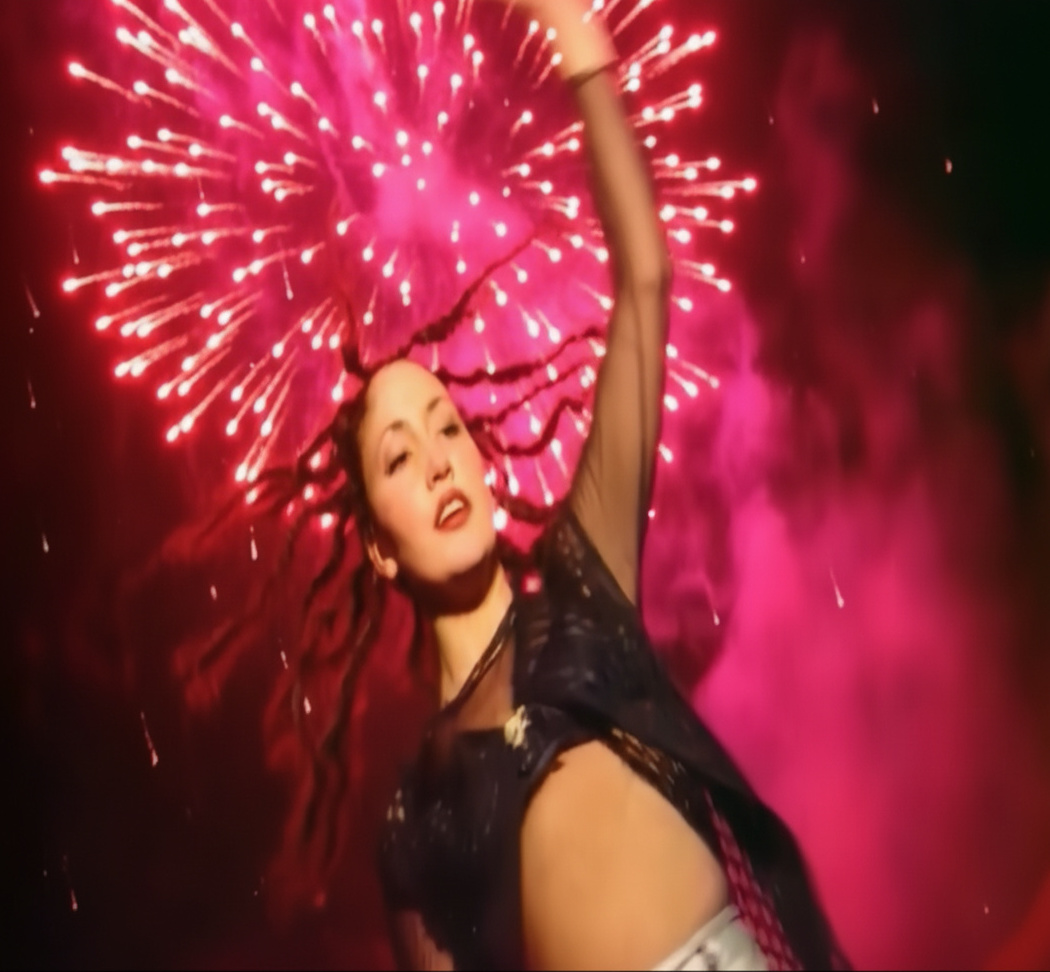
Said to be inspired by a night partying at the legendary Haçienda club in Manchester, Set You free was released in 1993. It wasn't an immediate hit but after several re-releases over the next two years, it slowly built a following and eventually reached number 2 in the UK charts in 1995.
Snap! - Rhythm Is A Dancer
Originally considered just an album track, Rhythm Is a Dancer only became a global phenomenon after an unexpected wave of success in the underground scene. Logic, the group's German music label, initially had no intention of releasing it as a single, but they quickly changed their minds after witnessing the massive positive reaction the song received in dance clubs. Even the group's own rapper, Turbo B (Durron Butler), was a skeptic at first and declined to be involved with the track. The original album release features a spoken word passage from an essay by John Perry Barlow called 'Being in Nothingness: Virtual Reality and the Pioneers of Cyberspace'. However, Turbo B subsequently reconsidered and agreed to contribute the rap section, which replaces it in the most well-known version, helping the song become one of the most successful dance anthems of all time.
Culture Beat - Mr Vain
Culture Beat, a German Eurodance group founded in the late 1980s by producer Torsten Fenslau, went through several lineup changes before achieving global success in 1993 with the addition of rapper Jay Supreme and singer Tania Evans. Mr. Vain became their breakthrough hit, topping charts in multiple countries and helping define the Eurodance sound of the era.
Haddaway - What is love
While now a high-energy anthem, 'What Is Love' began as a slow ballad. Produced at Coconut Studios in Germany by the duo Dee Dee Halligan and Junior Torello, the track eventually evolved into its current upbeat form. Initially it was turned down by every radio station but then a new station in Cologne picked it up and used it as a jingle. From there, other stations started playing it. The song did well when originally released in 1993, reaching high chart positions in over a dozen countries, and was then subsequently revived in the late 90s through usage in a popular Saturday Night Live comedy sketch featuring Will Ferrell, which spawned a film.
While the main vocals are, of course, by Trinidadian born Nestor Alexander Haddaway, the female vocalist on the track has no connection with the band. The audio was derived from a stock sample in the 1991 compilation CD 'Datafile One' produced by UK company 'Zero-G'. The vocals have been erroneously credited to several different singers who featured in many other Eurodance tracks and sometimes confused with singers who subsequently performed the song live with Haddaway, but the name of the artist in the originally released studio version is unclear.
Sash! - Ecuador
Led by DJ Sascha Lappessen and his production team, the German trio Sash! achieved five number two hits in the UK charts, although they never actually reached the top spot. Unusually for the time, they frequently did not sing in English, instead cycling through French, Spanish and Italian. Despite its South American title and Spanish vocals by Adrian Rodriguez, the track was entirely produced in Germany and features a synthesised hook that remains very recognisable even today.
Dr. Alban - It's My Life
Unsually for 'doctors' of the music industry, Dr. Alban was actually a practicing medical professional, having moved from Nigeria to Sweden to study dentistry. The song was produced by Dag Krister Volle, known professionally as Denniz PoP, who later went on to have a very successful career creating hits for the Backstreet Boys, Britney Spears, and NSYNC.
Corona - Baby Baby
While the band is fronted by Brazilian singer Olga de Souza, as with many of Corona's hits, the track is actually sung by Sandy Chambers. The video features Aldwych tube station which was closed shortly before the video was filmed. The same disused station has regularly featured in film and television.
2 Unlimited - No Limit
Written in only one evening, No Limit was a massive hit, reaching number one in 35 countries. The original version (as below) has two significant rap sections, but these were cut from the UK radio edit leading to mockery of the song using the alternative title 'No Lyrics', due to the few remaining words.
Groove Armada - If Everybody Looked the Same
Consisting of Tom Findlay and Andy Cato (Andrew Cocup), Groove Armada took their name from a 1970s discotheque. They became household names with their 1997 song 'At the River'. The track 'If Everybody Looked the Same' featured in the Sandra Bullock movie Miss Congeniality.
Rozalla - Everybody's Free
Though born in Zambia, Rozalla Miller launched her career in Zimbabwe. The massive success of 'Everybody's Free' attracted the attention of Michael Jackson. He was so impressed by Rozalla that he invited her to be the opening act the European leg of his Dangerous World Tour in 1992.
Fatboy Slim - Praise You
Fatboy Slim, aka Norman Cook, used an Atari ST to compose much of his music and continued to do so for decades after the machines ceased to be cutting edge. The main piano riff for the track comes from a recording called 'Balance and Rehearsal', produced by audio electronics company JBL intended as a guide to recording processes.
The music video is arguably as famous as the song itself, featuring the fictional 'Torrance Community Dance Group' led enthusiastically by Spike Jonze.
Utah Saints - Something Good
Despite the name, Tim Garbutt and Jez Willis are from North Yorkshire. They took their name from a line in the film Raising Arizona. The song is famous for sampling Kate Bush’s 1985 hit "Cloudbusting", which was a coup as Bush rarely allows her work to be sampled.
The 2008 version, shown below, tells a fictional origin story of the Running Man dance move, set in 1989 Cardiff.
The Time Frequency - New Emotion
New Emotion was released in 1993 by The Time Frequency and produced by founding member Jon Campbell. Campbell was a key figure in shaping the group’s sound and was already active as a DJ on the Scottish rave scene before the track’s release. It reached only 36 in the UK Singles Chart but gained wider exposure through club rotation. Vocals on the original were from Mary Kiani. The later version shown below features Lorena Dale.
Guru Josh Project - Infinity
The song's creator, Paul Walden (known as Guru Josh), originally wrote 'Infinity' as a promotional tool. He produced 500 copies and most were rejected, until Manchester’s Haçienda club DJ, Mike Pickering, started playing it. The saxophone melody was by Walden's friend, 'Mad Mick'.
In 2008, the German label Big City Beats asked Klaas to remix it, and the new version sold over six million copies, reaching number one in charts across Europe.
Praga Khan - Injected With A Poison
Injected With A Poison is a 1992 electronic track by Praga Khan, a project led by Maurice Engelen. It was released as a single and later included on the album Pragamatic. The song is associated with the Belgian New Beat and early rave scenes. It charted in several European countries, including reaching the UK Singles Chart. Curiously, the principal vocal refrain of 'Injected with a poison' and other lyrics were sampled from a monologue by an American televangelist and pastor called Robert Schambach.
The Real McCoy - Run Away
The Real McCoy's hit 'Run Away' achieved global success, eventually earning a gold certification in the United States and peaking at number 3 on the Billboard Hot 100. While Patricia Petersen acted as the group's frontwoman in the music video and during live performances, the studio vocals were actually recorded by singer Karin Kasar. Interestingly, the group originally went by the name MC Sar and The Real McCoy, featuring a fictional character as the lead before rapper O-Jay took over the role permanently.
Berri - The Sunshine After The Rain
Originally recorded by Ellie Greenwich in 1968, before Berri’s version took over the charts, it was also a hit for Elkie Brooks in 1977. Berri, born Rebecca Sleight, took the soulful pop ballad and transformed it into a high-energy dance floor filler.
Silja - How Could I Find Love
Silja, born Célia Gruss in Paris, is the daughter of a Memphis-born mother and a talented French blues pianist. Silja grew up between Paris, London, Washington DC, and Los Angeles, where she attended a French school before studying sociology. A spell at the Berkeley School of Music, along with encounters with musicians such as Taj Mahal and Ben Harper, inspired her to pursue a musical career. Returning to France to seek work, she stayed with one of her mother’s friends and, while selling American newspapers, met a man who offered her a secretarial job at a graphic arts company, an offer she declined, stating her ambition to make music. A few days later, he invited her to lunch with producer Michael Cretu, creator of Enigma, which ultimately led to the release of her first single, How Could I Find Love, in 1994.
DJ BoBo - Somebody Dance With Me
Somebody Dance With Me is the song that launched Peter René Baumann from a local Swiss DJ to a global superstar. The song’s melody and chorus are based on the 1984 hit 'Somebody's Watching Me' by Rockwell, featuring Michael and Jermaine Jackson.